Why Should you Care?
Many times, when people hear about internet security and privacy, they are quick to dismiss it because they claim, “I have nothing to hide” or they think “I’m a good person, so why should I care?” If this is you, I would encourage you to stop and read this post. You might think these augments are true, however, I’m here to say you do have something to hide, and even if you are a good person you should care about your online security and privacy. Many times, I feel these arguments exist because people are misinformed about what information is collected about them and how it is used. In this post want to explore these arguments and give counter augments to these and give you reasons why you should care.
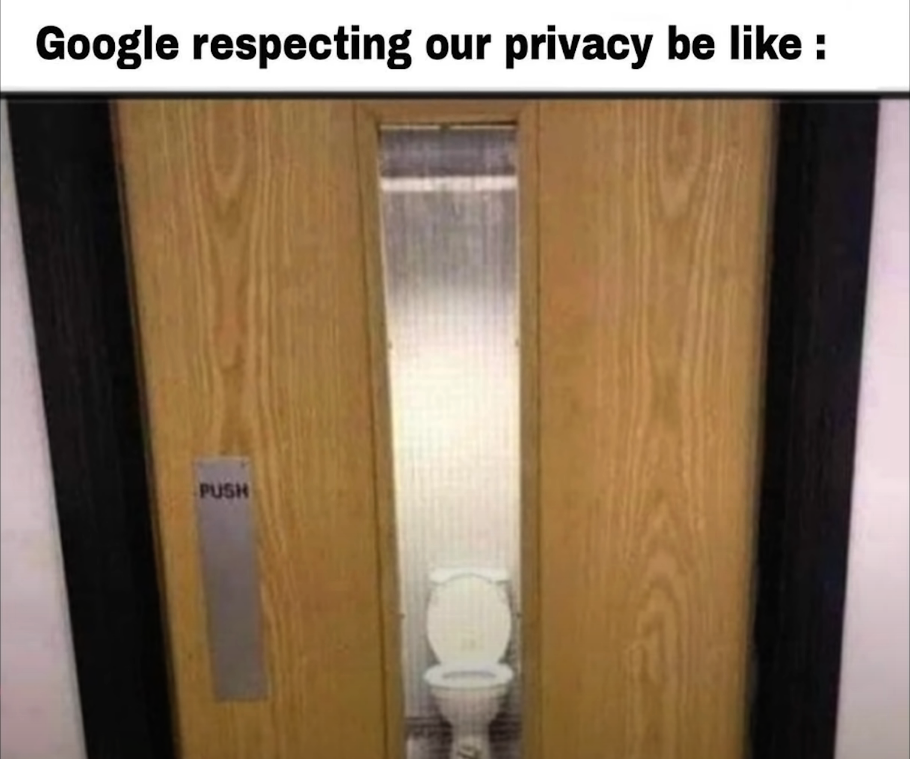
By far the most common argument against caring about your online privacy is the “I have nothing to hide” argument. The problem with this augment is that everyone has something to hide whether they think it or not. Emilio Mordini states “People do not need to have "something to hide" in order to hide something.” (Mordini). You wouldn’t pass out our social security number to random people or let everyone know everything you've done. This proves you do have everyone has some things to hide. Something also doesn’t need to be a secret for it to be hidden. For example, when you shower you shut the door and use shower curtains. What you are doing in there isn’t a secret, but we take precautions to make sure that it isn’t seen. We should think this way about our online security and privacy. We should take precautions to keep secure the things we don’t want people to have, like personal sensitive information. We should also take steps to hide things people just don’t need to see or have access to. Like why do Google and Facebook need to track everywhere you go and everything you do both online and in real life? THEY DON’T! So why let them have access to that information?
The second augment I see a lot is “I’m a good person, so why should I care?” This argument is already a little like the “I’ve got nothing to hide” argument, so those same things apply here, but it also goes a bit further than that. First of all, this argument makes the assumption that the people who care about their privacy are inherently bad people. We know this isn’t true, we wouldn’t think this about someone we just meet out in public and they didn’t share everything about themselves. Second, people take information about good people and twist it to make them look like they aren’t good people. Bruce Schneier quotes, "If one would give me six lines written by the hand of the most honest man, I would find something in them to have him hanged." (Schneier). Lastly, good people should still take steps to protect themselves against evil people. People who are looking to collect and steal your information do not have your best interest in mind. We need to protect ourselves!
I hope this has made you think about your online security and privacy in a different light. As a couple of rules of thumb, think about your information online as you would your information out in public, if something doesn’t need information to function properly don’t give it to them. Finally, if something doesn’t have a clear business model, you are the product. You may be wondering what you can do to fight this issue, I will have posts coming out shortly about steps you can take. Until then stay safe! If you have questions email me at, privacy4all.ia6nj@aleeas.com.
Micah DeBoer
Recourses:
Mordini "Nothing to Hide — Biometrics, Privacy and Private Sphere." pp.257-260
Schneier, Bruce. "The Eternal Value of Privacy." Schneier on Security. May 18, 2006.